






FRONTIER ENTERPRISES RESPIRATOR FIT TESTER PORTABLE BOOTH, MODEL FE250A
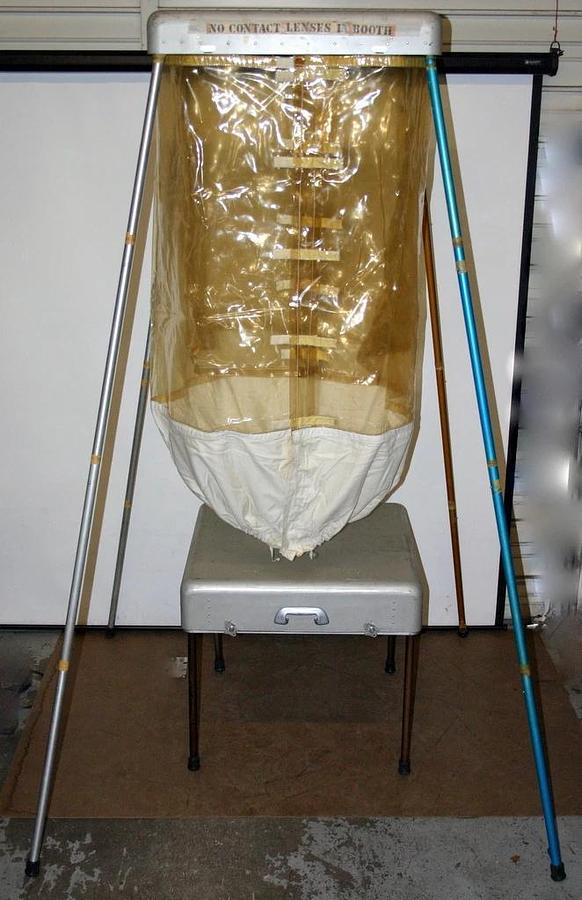
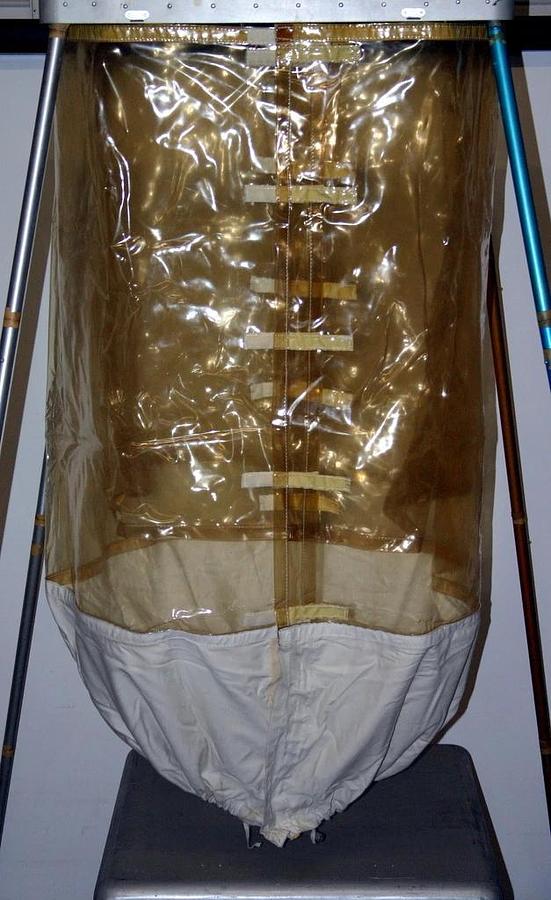
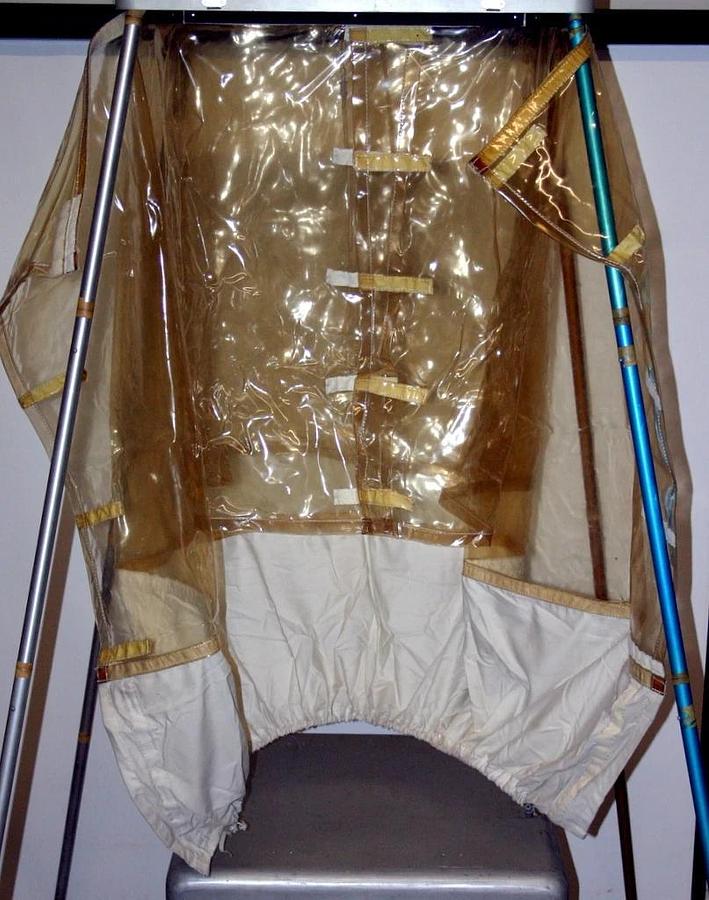
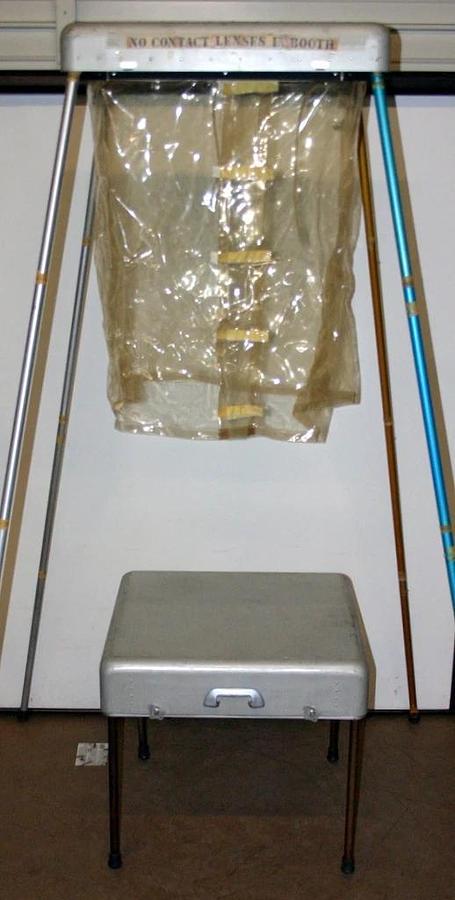
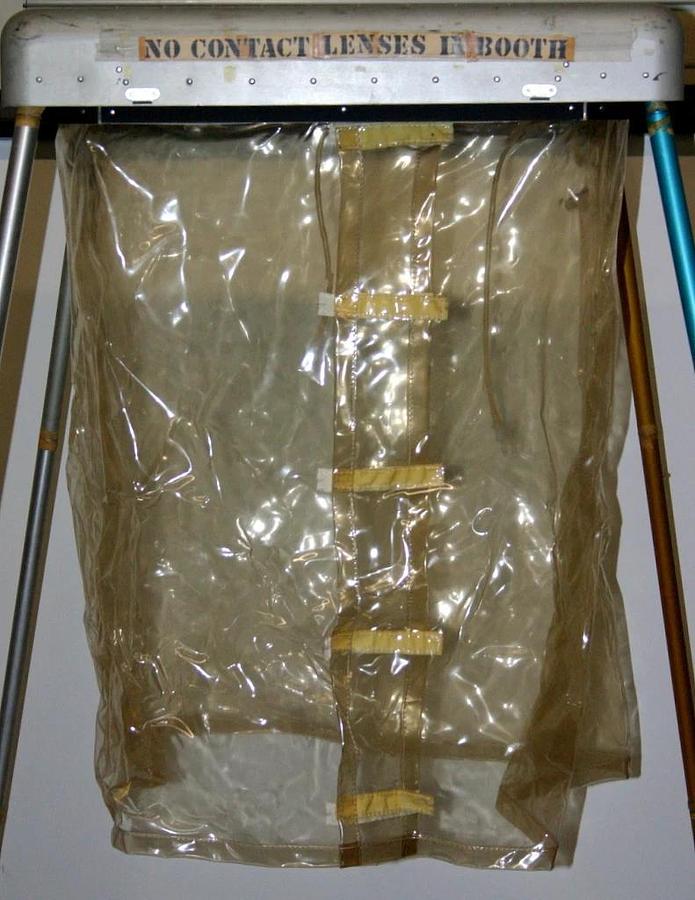
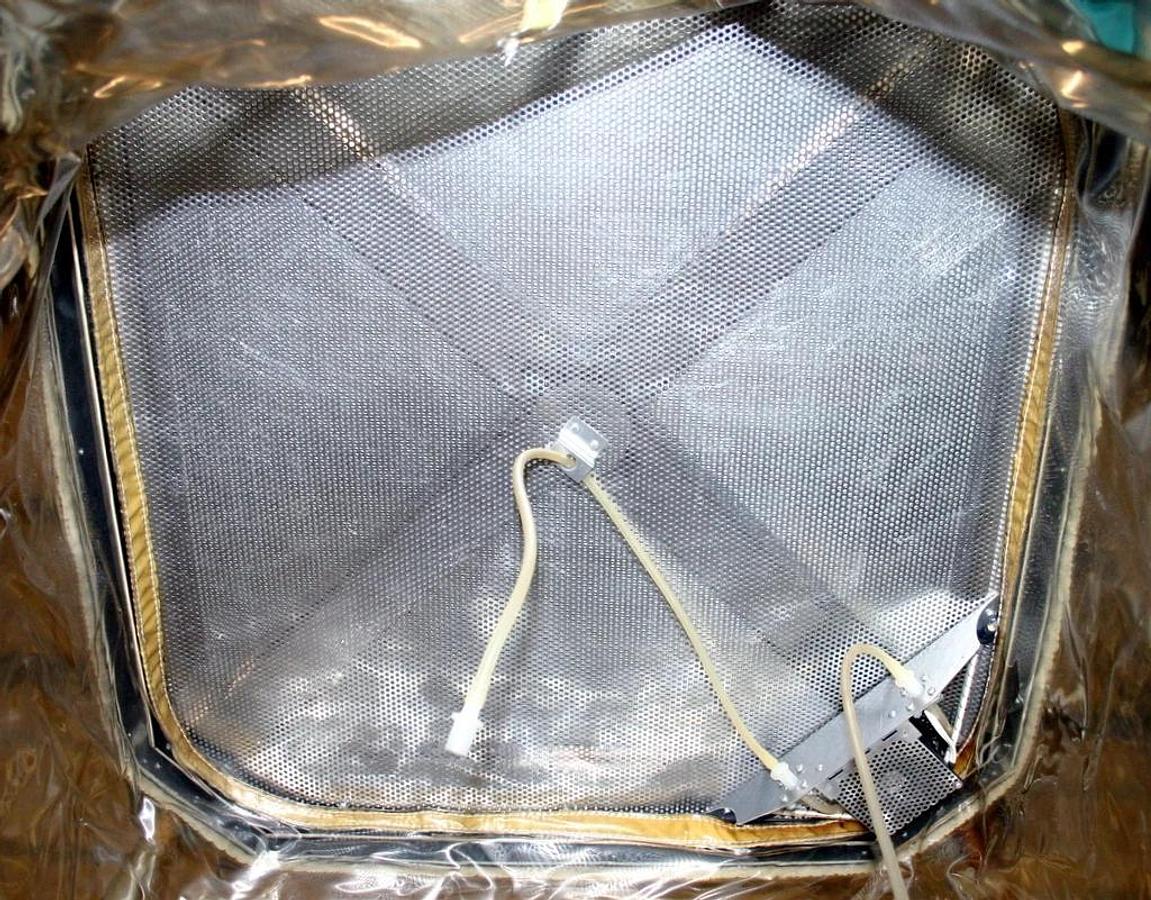
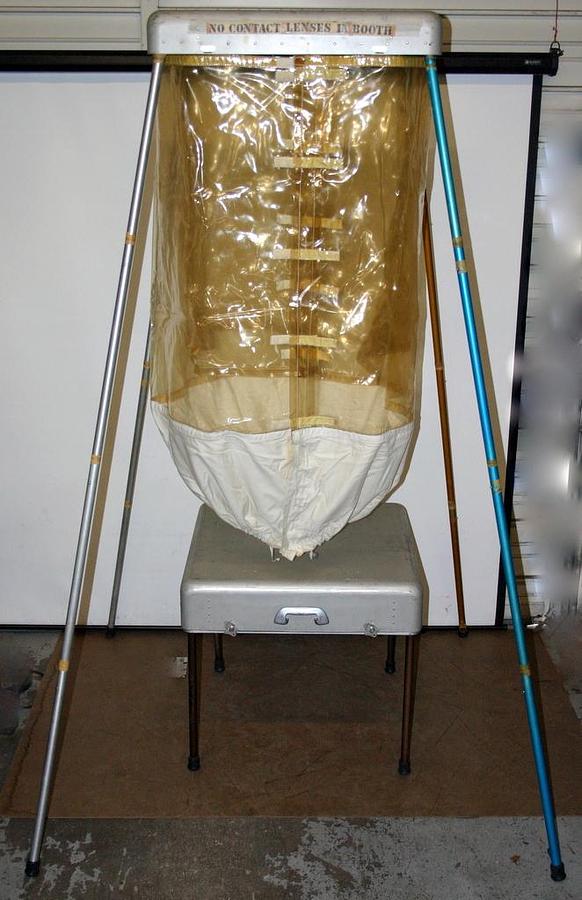
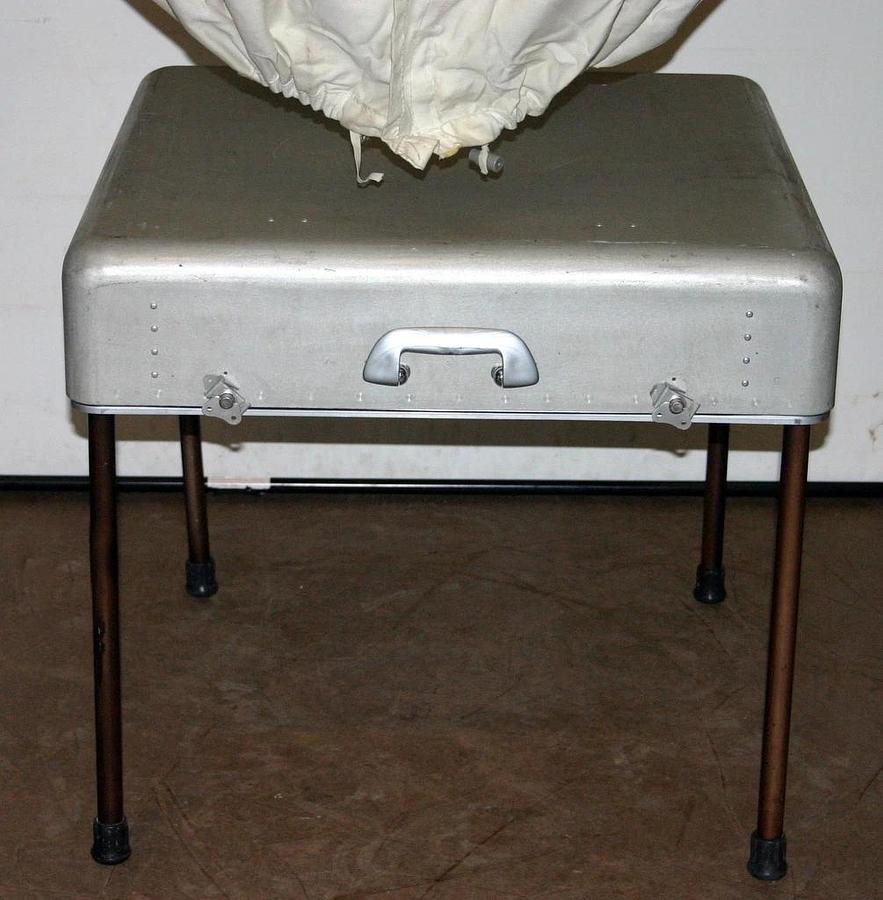
FRONTIER ENTERPRISES RESPIRATOR FIT TESTER PORTABLE BOOTH, MODEL FE250A
$975 (USD)
Shipping: US $182.55 UPS Ground.
Location:Lorton, VA
or
Call +1 703-550-1994
Description
FRONTIER ENTERPRISES RESPIRATOR FIT TESTER PORTABLE BOOTH, MODEL FE250A
Frontier Enterprises
Portable Booth
Model FE250A
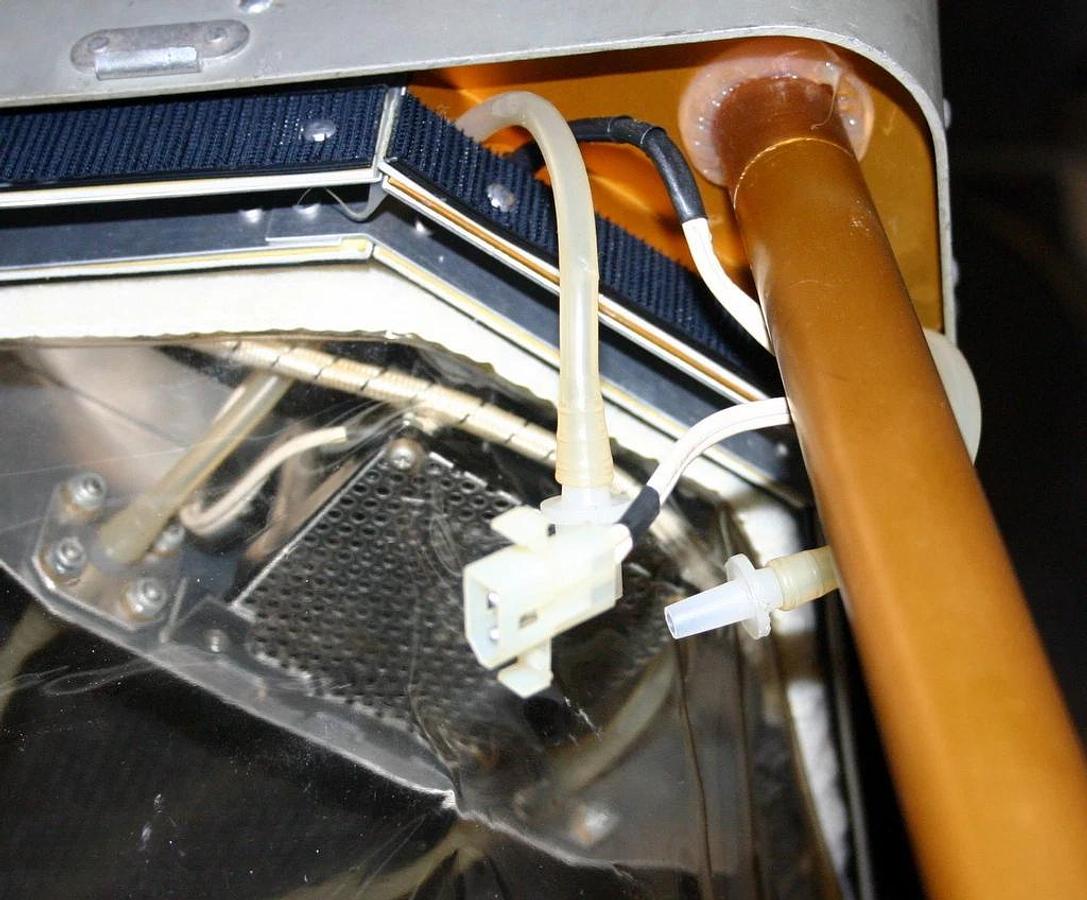
See additional 13 photos below.
The 115 volt fan works, but requires a two pin Molex connector power cord (we used a jumper cord to test).
Web information we found:
A new method has been invented for the noninvasive and quantitative
determination of fit for a respirator. The test takes a few seconds and
requires less expensive instrumentation than presently used for invasive
testing. In this test, the breath is held at a negative pressure for a
few seconds, and the leak-induced pressure decay inside the respirator
cavity is monitored. A dynamic pressure sensor is attached to a modified
cartridge of an air-purifying respirator or built into the respirator
body or into the air supply line of an air-supplied respirator. The
method is noninvasive in that the modified cartridge can be mounted onto
any air-purifying respirator. The pressure decay during testing
quantifies the airflow entered through the leak site. An equation has
been determined which gives the air leakage as a function of pressure
decay slope, respirator volume and the pressure differential during
actual wear§all of which are determined by the dynamic pressure sensor.
Thus, the ratio of air inhaled through the filters or via the air supply
line to the leak rate is a measure of respirator fit, independent of
aerosol deposition in the lung and aerosol distribution in the
respirator cavity as found for quantitative fit testing with aerosols.
The new method is shown to be independent of leak and sensor locations.
The concentration and distribution of aerosols entered through the leak
site is dependent only on the physical dimensions of the leak site and
the air velocity in it, which can be determined independently. Thus, the
new method measures the leakage exactly, noninvasively, very quickly
and inexpensively. The volume of the respirator cavity is determined by
the same technique. This new method does not meet the current
Occupational Safety and Health Administration (OSHA) and American
National Standards Institute (ANSI) standards.
From US Dept. of Labor website:
RESPIRATOR
FIT TESTING
This video is about the respirator fit testing requirements
for any worker who is required to use a tight-fitting respirator. The
federal Occupational Safety and Health Administration - also called "OSHA"
- and State OSHA Agencies require employers to fit test workers who must
wear these respirators on the job.
This video provides a brief overview and general information about fit
testing requirements under the Federal OSHA or State OSHA Respiratory
Protection Standards. This video can be a part of the OSHA-required respiratory
protection training, which includes many topics, like how to put on and
take off a respirator and how to use, clean, and maintain your respirator.
Your employer must also provide you with worksite-specific training.
While this video discusses some of your employer's responsibilities under
OSHA's respiratory protection fit testing requirements, it is important
to remember that using a respirator that fits you properly protects your
health and safety.
A respirator can't protect you if it doesn't fit your face. It's that
simple. Certain respirators, known as tight-fitting respirators, must
form a tight seal with your face or neck to work properly. If your respirator
doesn't fit your face properly, contaminated air can leak into your respirator
facepiece, and you could breathe in hazardous substances. So before you
wear a tight-fitting respirator at work, your employer must be sure that
your respirator fits you. Your employer does this by performing a fit
test on you while you wear the same make, model, and size of respirator
that you will be using on the job. That way, you know that your respirator
fits you properly and can protect you, as long as you use it correctly.
In addition, before you use a respirator or are fit-tested, your employer
must ensure that you are medically able to wear it.
So what is a fit test? A "fit test" tests the seal between
the respirator's facepiece and your face. It takes about fifteen to twenty
minutes to complete and is performed at least annually. After passing
a fit test with a respirator, you must use the exact same make, model,
style, and size respirator on the job.
A fit test should not be confused with a user seal check. A user seal
check is a quick check performed by the wearer each time the respirator
is put on. It determines if the respirator is properly seated to the face
or needs to be readjusted.
There are two types of fit tests: qualitative and quantitative.
Qualitative fit testing is a pass/fail test method that uses your sense
of taste or smell, or your reaction to an irritant in order to detect
leakage into the respirator facepiece. Qualitative fit testing does not
measure the actual amount of leakage. Whether the respirator passes or
fails the test is based simply on you detecting leakage of the test substance
into your facepiece. There are four qualitative fit test methods accepted
by OSHA:
Isoamyl acetate, which smells like bananas;
Saccharin, which leaves a sweet taste in your mouth;
Bitrex, which leaves a bitter taste in your mouth; and
Irritant smoke, which can cause coughing.
Qualitative fit testing is normally used for half-mask respirators -
those that just cover your mouth and nose. Half-mask respirators can be
filtering facepiece respirators - often called "N95s" - as well as elastomeric
respirators.
Quantitative fit testing uses a machine to measure the actual amount
of leakage into the facepiece and does not rely upon your sense of taste,
smell, or irritation in order to detect leakage. The respirators used
during this type of fit testing will have a probe attached to the facepiece
that will be connected to the machine by a hose. There are three quantitative
fit test methods accepted by OSHA:
Generated aerosol;
Ambient aerosol; and
Controlled Negative Pressure.
Quantitative fit testing can be used for any type of tight-fitting respirator.
Many workers need to wear prescription glasses or personal protective
equipment, such as safety goggles or earmuffs, while performing a job.
If you fall into this category, then you must wear these items during
the fit test to be sure they don't interfere with the respirator's fit.
You must be fit tested before you use a respirator in the workplace,
and you must be retested at least every 12 months to make sure that the
respirator you use still fits you. You must be fit tested with the specific
make, model, style, and size of respirator that you will be using.
Not everyone can get a good fit with one specific respirator. If the
respirator fails the fit test, then another make, model, style, or size
must be tried until one is found that fits you properly. Therefore, your
employer needs to provide you with a reasonable selection of sizes and
models to choose from. When you've completed the fit testing process,
it's very important that you know which make, model, style, and size respirator
fits your face properly, and when and where you'll need to wear it for
protection.
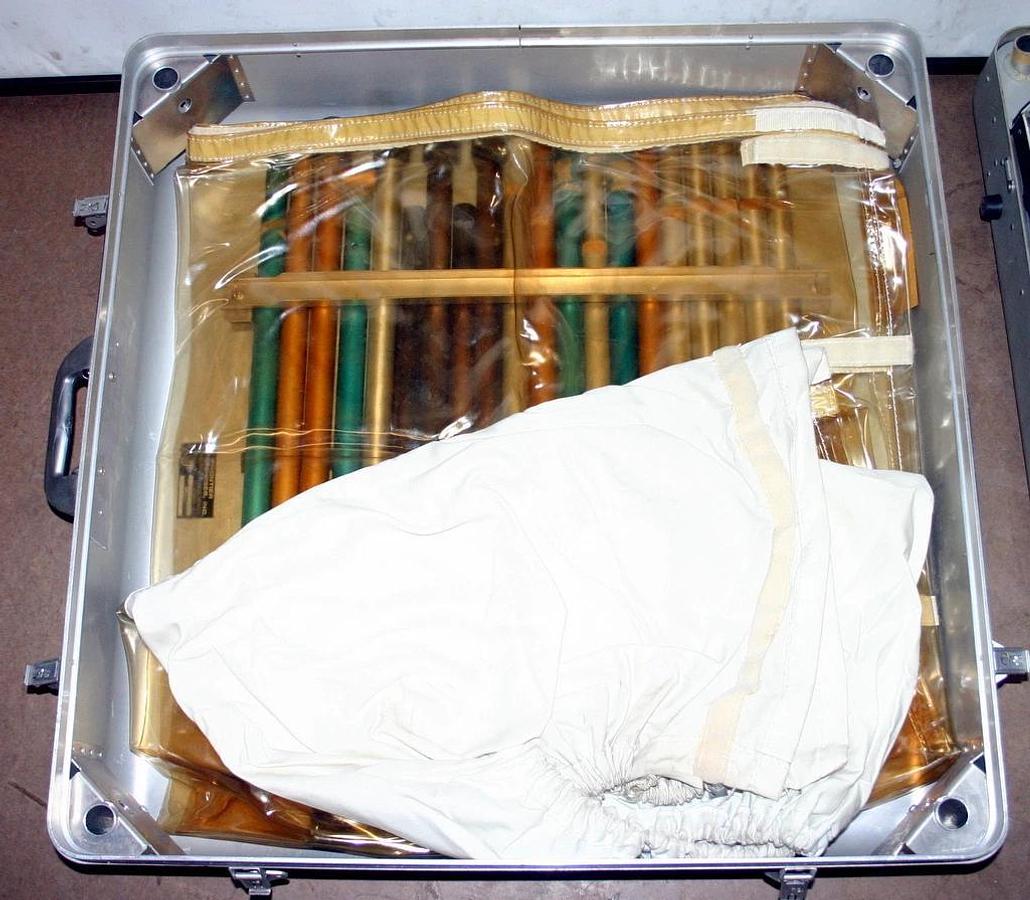
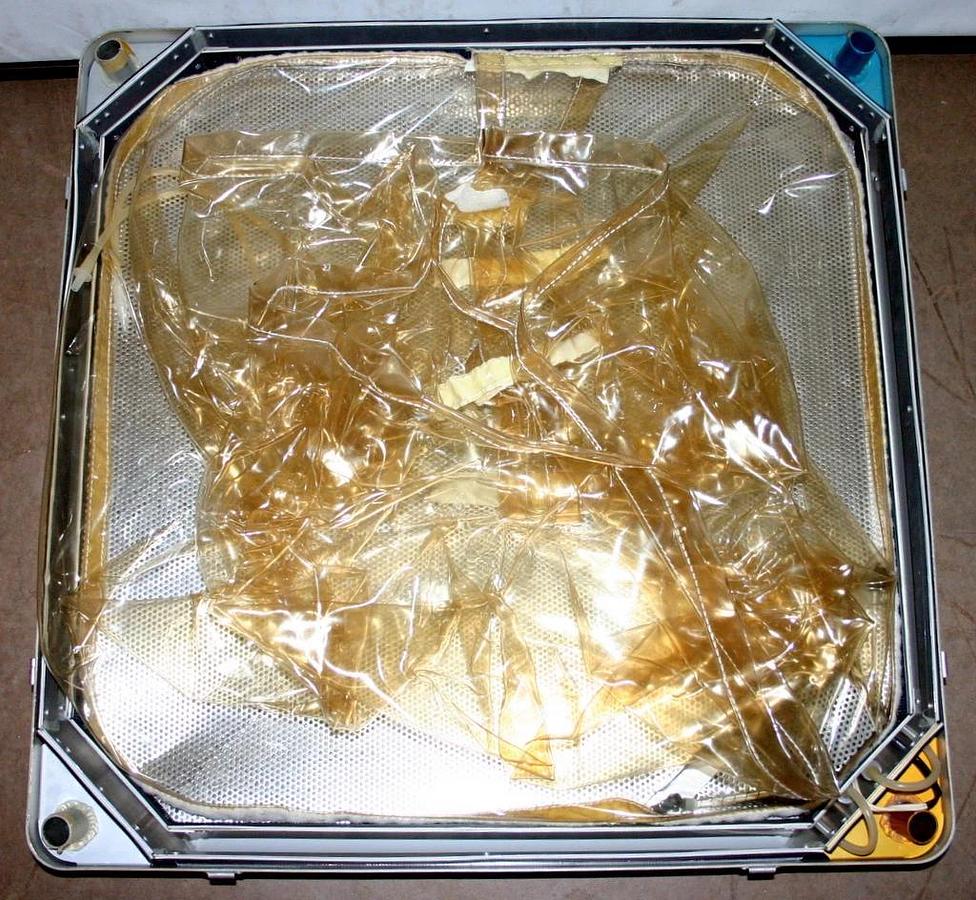
We have no expertise in this area. We don't know how this system is supposed to operate other than descriptions we found on the internet. Please examine photos to determine suitability for your application.
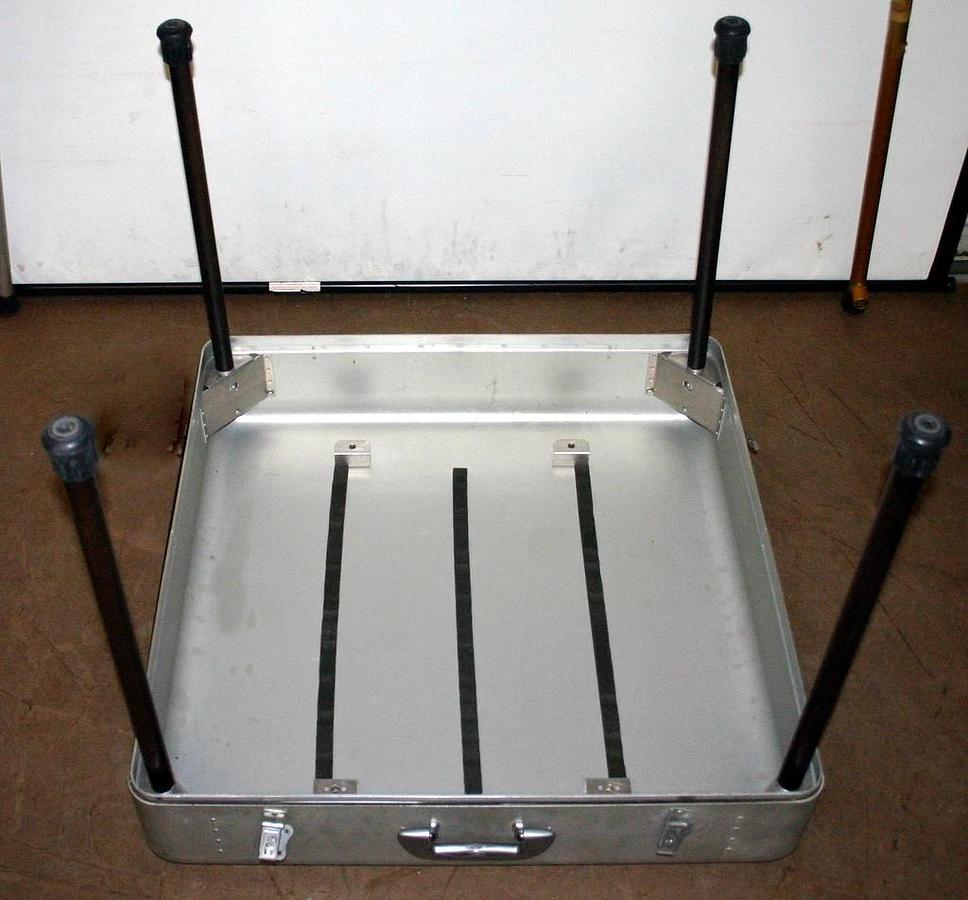
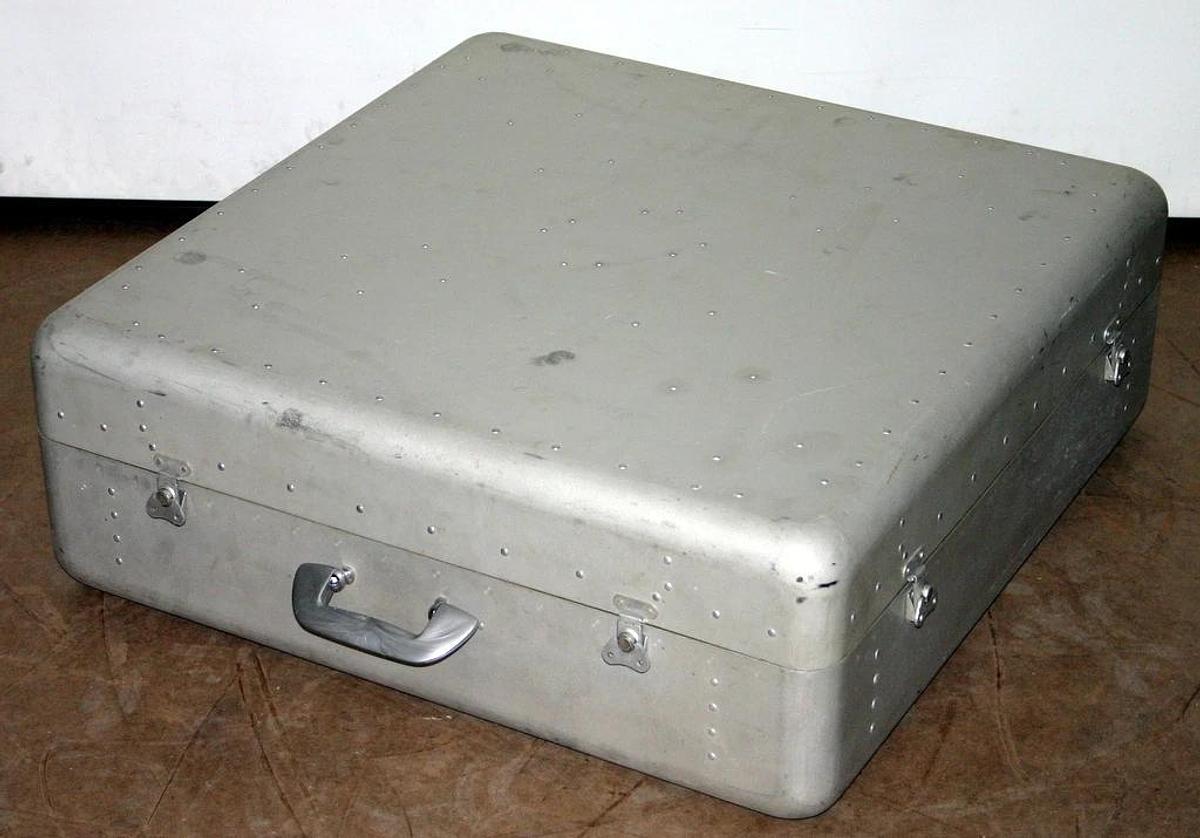
Overall Dimensions of case: 29"L x 29"W x 10"H
Overall Dimensions set up: 87"H x 58"L x 58"W at the base of the legs.
Net Weight: 53 pounds
Payment
I accept the following forms of payment:
PayPal
Shipping & Handling
Please check eBay's Shipping & Payment tab
UPS Ground
FREE scheduling, supersized images
and templates. Get Vendio Sales Manager.
FREE scheduling, supersized images
and templates. Get Vendio Sales Manager.
Over 100,000,000 served. Get FREE counters from Vendio today!
Specifications
| Manufacturer | Frontier Enterprises |
| Model | FE250A |
| Condition | Used |
| Country of Origin | United States |